Gallipoli & Troy Private Tours
Where Myth, Memory and the Dardanelles Converge
TurkDMC offers private, guided tours to Gallipoli's WWI memorial battlefields and the ancient UNESCO World Heritage city of Troy. Combining specialist academic historians with chauffeured luxury Mercedes-Benz transport from Istanbul, our private journeys are fully customized, unhurried, and paced for intellectual depth rather than commercial checklists.
TurkDMC offers private, guided day tours and multi-day journeys to Gallipoli's WWI battlefields and the ancient city of Troy, combining expert historical commentary with luxury Mercedes-Benz transport from Istanbul or Canakkale. Tours are fully customizable, featuring licensed senior military and archaeological historians, VIP access to ANZAC Cove, Chunuk Bair, the 57th Regiment Memorial, the 4,000-year-old excavation layers of Troy (Hisarlık), and the Troy Museum.
A Four-Thousand-Year Threshold
There are shorelines that carry more than scenery. The Gallipoli peninsula and the ancient mound of Troy are separated by a narrow strait, yet bound together by something far older than geography. For more than four thousand years, the Dardanelles has been a threshold: between Anatolia and the Aegean, between myth and memory, between the Bronze Age and the twentieth century.
UNESCO describes both landscapes as cultural crossroads between Anatolia, the Aegean and the Balkans. At Troy, guests encounter a place associated with Homer's Iliad, Bronze Age power, maritime exchange and more than 4,000 years of human history. At Gallipoli, they encounter the intensely personal legacy of the 1915 campaign: cemeteries, trenches, memorials, coastal landing sites and a powerful modern story of mutual respect. The Dardanelles is the connective force: a narrow, strategic waterway linking the Aegean, Marmara and Black Sea, and historically connecting, or dividing, Europe and Asia.
Gallipoli: A Memorial Landscape, Not a Battlefield
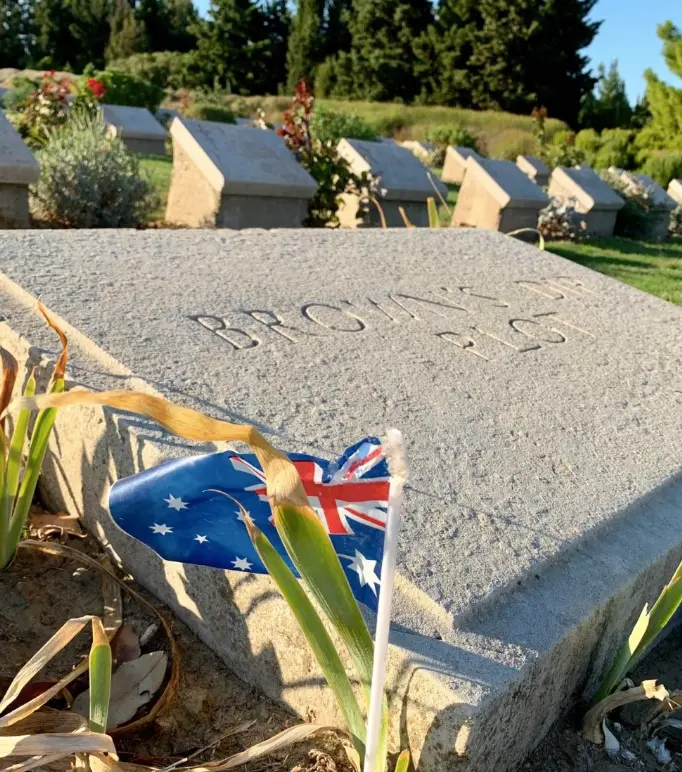
Gallipoli does not reward the checklist. The peninsula is a memorial landscape first, and a battlefield second. Pine-covered ridges slope down to bright water. Trenches lie within metres of each other. The silence here is not empty; it is full of consequence.
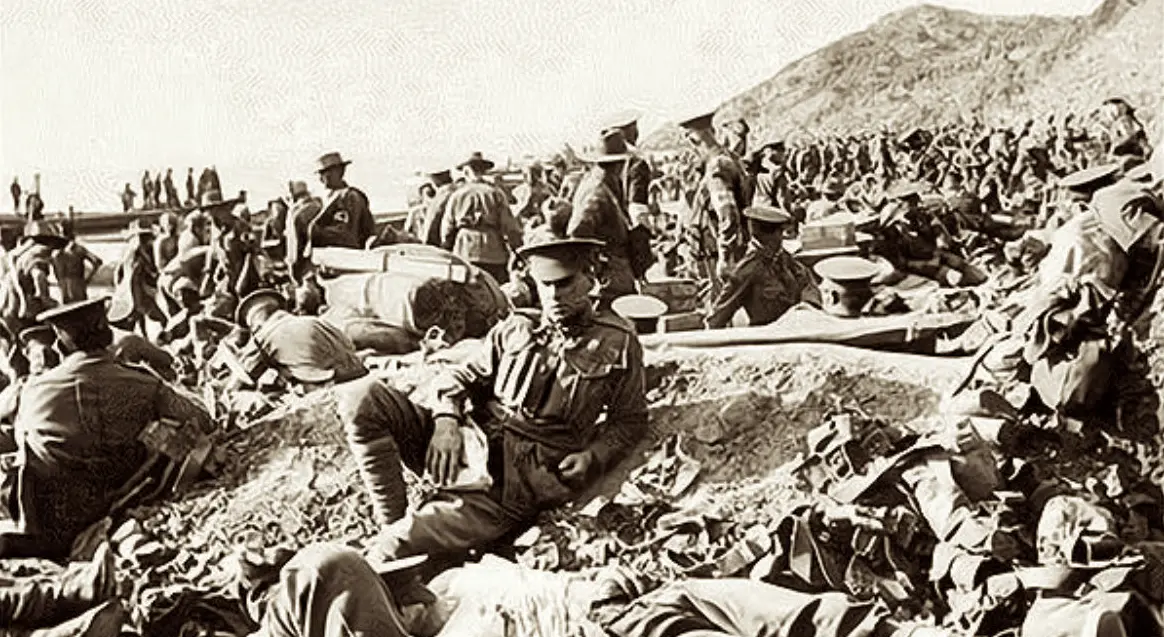
The Gallipoli campaign took place between 25 April 1915 and 9 January 1916. Its battle zones preserve trenches, forts, guns, war artefacts, graves and memorials associated with Turkish, Australian, New Zealand, British and French forces. The site is on UNESCO's Tentative List, submitted in 2014; it is not currently inscribed as a World Heritage Site.
ANZAC Cove and the Allied Story
ANZAC Cove remains the iconic landing area connected with Australian and New Zealand remembrance. For Australian and New Zealand guests, this is an essential stop. Private historical interpretation here is more valuable than a rushed group stop. Lone Pine Cemetery and Chunuk Bair combine military history, landscape and perspective in a single, arresting location.
The Turkish Memorial Landscape
A credible telling of Gallipoli requires two lenses. The Ottoman and Turkish story of defence, loss and national memory is half the truth. The 57th Regiment Memorial and the commanding Canakkale Martyrs' Memorial stand as testimony to a nation defending its own threshold. The graves of Turkish, Australian, New Zealand, British and French forces share the same soil.
Troy: Ten Cities, One Hill
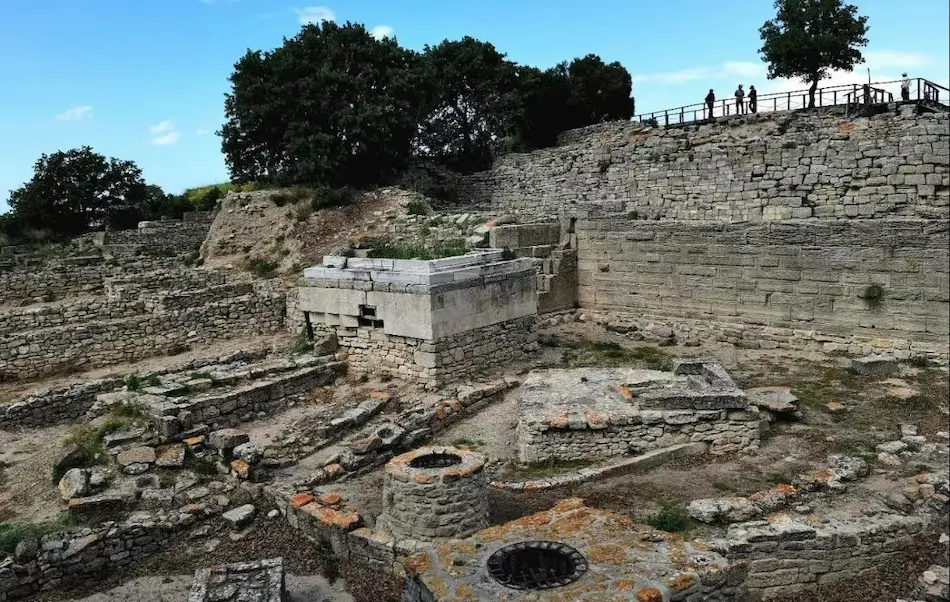
Troy should not be sold as "the city with a wooden horse." Its real distinction is that it is an archaeological site where visitors can see the successive layers of cities built, destroyed, rebuilt and transformed across thousands of years.
Troy is inscribed as a UNESCO World Heritage Site (1998), recognized for its 4,000-year history, its evidence of interaction between Anatolia and the Mediterranean world, and its influence on literature and art through works including Homer's Iliad and Virgil's Aeneid.
Myth, Evidence and the Iliad
We are precise about myth versus evidence. The site contains evidence of long-term occupation with 10 settlement layers and more than 50 building phases identified by archaeology. We avoid stating as fact: "This is where the Trojan Horse stood" or "Visitors can see Achilles' battlefield." The contemporary Troy Museum provides the essential scholarly complement, allowing visitors to read the landscape with intellectual clarity.
Experience Formats We Design
Private Full-Day Interpretation
A full-day Gallipoli interpretation with a specialist historian or guide, paced for reflection rather than photography stops.
ANZAC-Focused Route
For Australian and New Zealand guests, carefully balanced with Ottoman and Turkish sites so the narrative remains whole.
Dardanelles-Focused Route
Combining naval history, fortifications, battlefield geography and the city of Canakkale as a strategic narrative.
Two-Day Cultural Journey
Gallipoli on one day, Troy and the Troy Museum on the next, with an overnight in Canakkale to absorb what the landscape holds.
Frequently Asked Questions
Is Gallipoli a UNESCO World Heritage Site?
No. The Gallipoli and Canakkale battle zones are on UNESCO's Tentative List, submitted in 2014. They are not currently inscribed as a World Heritage Site. Troy, however, is an inscribed UNESCO World Heritage Site, recognized since 1998.
Can Gallipoli and Troy be visited as a day trip from Istanbul?
Yes, private single-day round-trip tours from Istanbul can be arranged with private chauffeured Mercedes-Benz transport (approximately 4 to 4.5 hours per direction via the 1915 Canakkale Bridge). However, for travelers with flexible time, we strongly recommend our signature 2-day overnight format with a boutique stay in Canakkale to allow for the unhurried, contemplative pacing this landscape deserves.
Is the wooden horse at Troy an ancient artifact?
No. The large wooden horse near the site is a modern visitor feature, not an ancient artifact. While it can work for families and light visual content, it should never become the intellectual centre of a luxury cultural itinerary.
How do you balance the ANZAC and Turkish narratives at Gallipoli?
We never frame the peninsula solely through ANZAC history. Our guides present both the Allied and Ottoman/Turkish perspectives with equal rigour. The graves and memorials of Turkish, Australian, New Zealand, British and French forces share the same soil, and that proximity is the peninsula's most powerful statement.
Depth Over Checklists
We do not sell Troy as "the city with a wooden horse," and we do not sell Gallipoli as an adventure battlefield. We sell them as they are: a UNESCO World Heritage archaeological sequence and a memorial landscape where empathy is the central message.
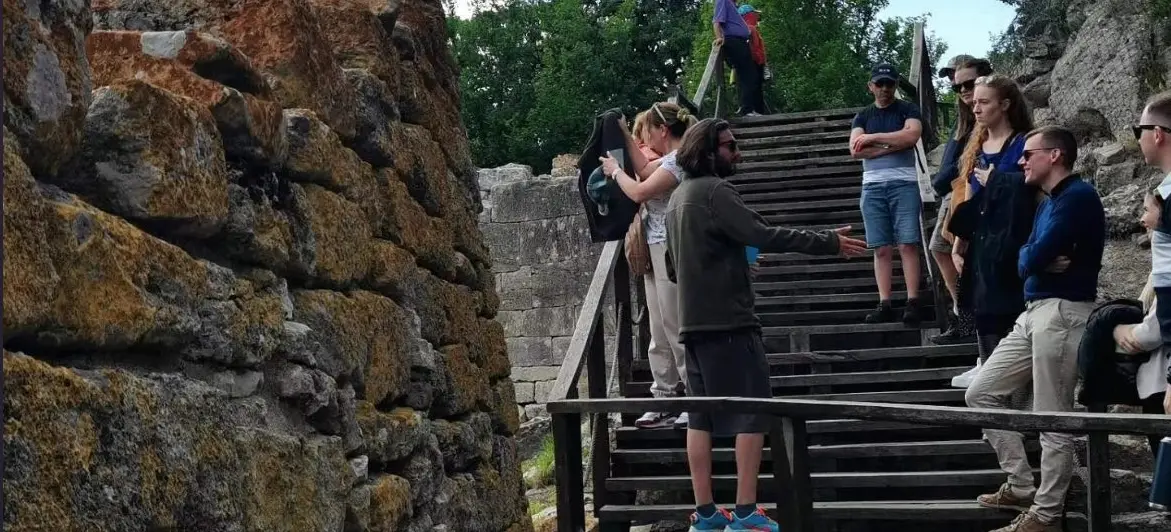
Every itinerary is privately interpreted, unhurried, and matched to the intellectual curiosity of your guests.
Essential Journey Context
- Operational Base: Luxury boutique waterfront stays in Canakkale.
- Guiding Standard: Licensed Senior Military & Archaeological Historians.
- Transit: Private chauffeured Mercedes-Benz VIP Lounge Fleet.
- Extensions: Assos Acropolis, Mount Ida & North Aegean Olive Estates.